By Justin Haskins, Viewpoint Contributor 12/03/20 11:30 AM EST The views revealed by factors are their own and not the view of The Hill.
Post-COVID-19 pandemic initiative by the World Economic Forum The Great Reset is the name of the 50th annual meeting of the World Economic Forum (WEF), held in June 2020. It united prominent service and political leaders, convened by the Prince of Wales and the WEF, with the style of reconstructing society and the economy in what is claimed to be a more sustainable way following the COVID-19 pandemic. Klaus Schwab, who established the WEF in 1971 and is presently its CEO, explained 3 core components of the Great Reset. The very first involves creating conditions for a "stakeholder economy"; the second component consists of building in a more "resistant, fair, and sustainable" waybased on ecological, social, and governance (ESG) metrics which would integrate more green public infrastructure jobs.
In her keynote speech opening the dialogues, International Monetary Fund director Kristalina Georgieva, listed three key elements of the sustainable actiongreen growth, smarter growth, and fairer growth. A speech by Prince Charles at the launch event for The Great Reset, noted crucial locations for actionsimilar to those noted in his Sustainable Markets Effort, presented in January 2020. These consisted of the re-invigoration of science, technology and development, a relocation towards internet zero transitions internationally, the intro of carbon prices, re-inventing longstanding incentive structures, rebalancing financial investments to include more green financial investments, and motivating green public facilities jobs. In June 2020, the style of the January 2021 51st World Economic Online Forum Yearly Meeting was revealed as "The Great Reset", linking both in-person and online global leaders in Davos with a multi-stakeholder network in 400 cities worldwide.
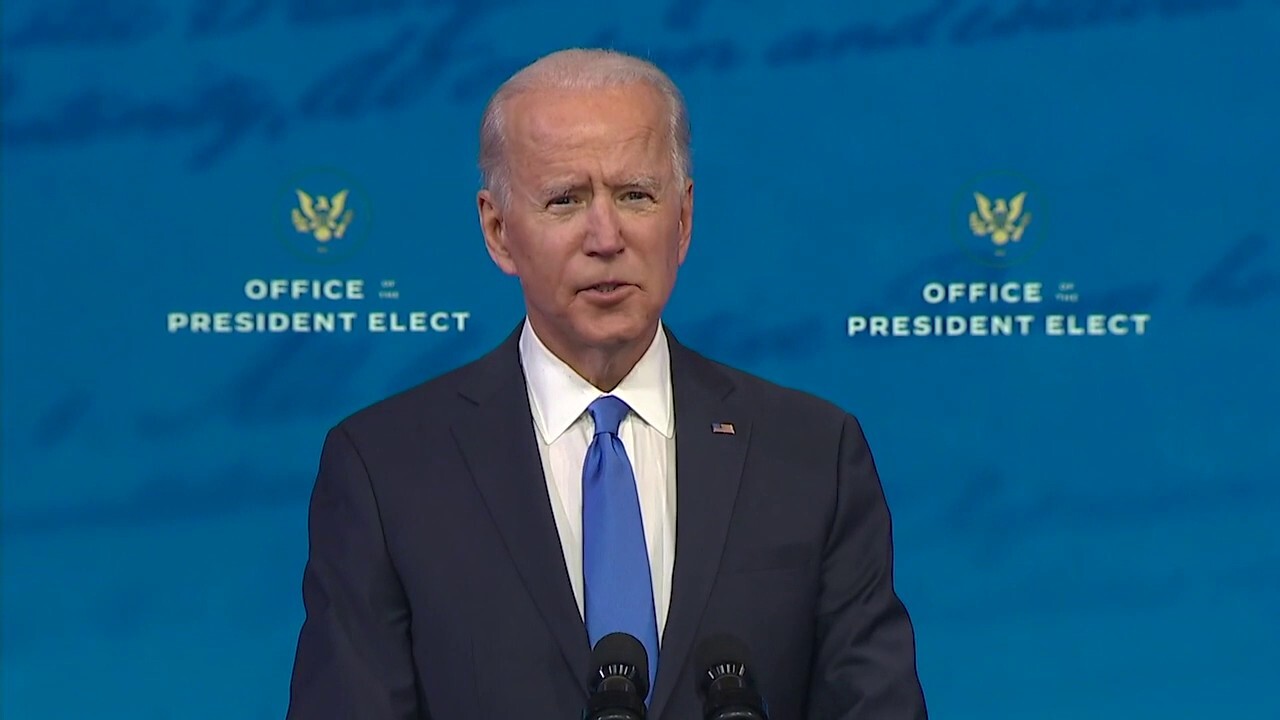
According to, the BBC,, and Radio Canada, "baseless" conspiracy theories spread out by American far-right groups linked to QAnon, resurged at the start of the Great Reset forum and increased in eagerness as leaders such as the recently elected U.S. President Joe Biden and Canadian Prime Minister incorporated ideas based on a "reset" in their speeches. By mid-April 2020, versus the background of COVID-19 pandemic, the coronavirus economic crisis, the 2020 stock market crash, the 2020 Russia, Saudi Arabia oil cost war and the resulting "collapse in oil costs", the previous Governor of the Bank of England, Mark Carney, described possible fundamental changes in a post in.